Anthony of PaduaWonderworker · 1195–1231Anthony of Padua was a 13th-century Portuguese priest belonging to the Order of Friars Minor. Born Fernando Martins de Bulhões in Lisbon, he initially joined the Canons Regular before being drawn to the evangelical simplicity of the Franciscans. After traveling through Morocco and Sicily, he settled in Italy, where his extraordinary talent for preaching and deep theological knowledge gained him widespread recognition. He served as a teacher and a provincial superior, eventually becoming a highly influential figure within his order and the broader Church.
 Charles I of AustriaServant of God · 1887–1922Charles I of Austria was the final monarch of the House of Habsburg-Lorraine to rule the Austro-Hungarian Empire, reigning from 1916 until its dissolution in 1918. Born in 1887 at Persenbeug Castle, he became the heir presumptive following the assassination of his uncle, Franz Ferdinand. A devout Catholic, Charles attempted to preserve his empire through federalist reforms and secret peace negotiations during the First World War. Following the empire's collapse, he lived in exile and died in 1922 on the island of Madeira.
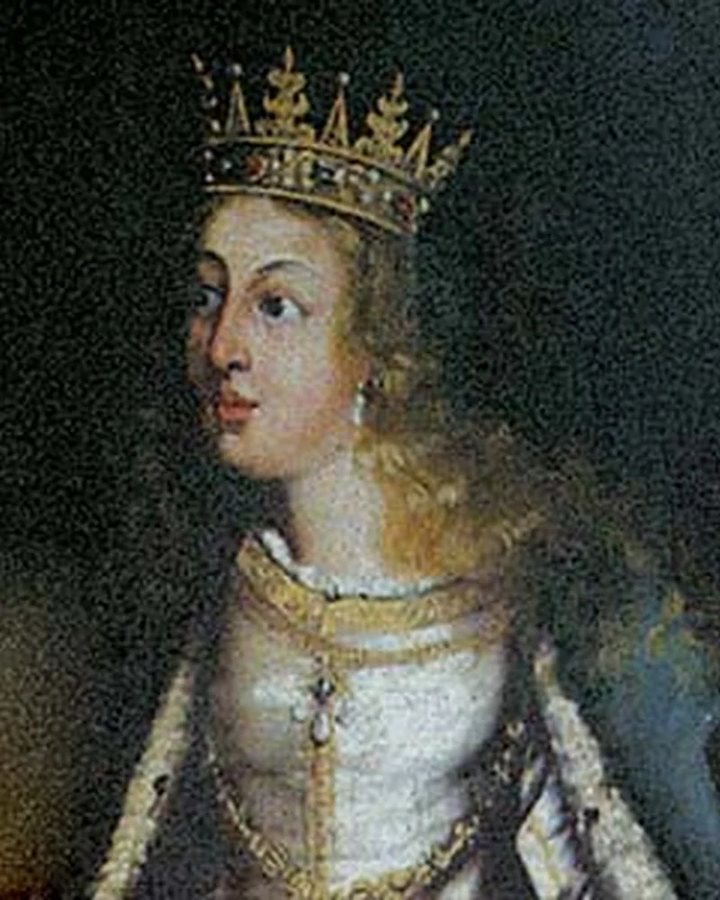 Elizabeth of AragonSaint · 1271–1336Saint. Feast day: 4 July.
 Lawrence of BrindisiSaint · 1559–1619Lawrence of Brindisi was an Italian Capuchin priest, theologian, and diplomat born in 1559. A gifted linguist, he was fluent in several languages, including Hebrew, Greek, and German. Throughout his career, he held significant roles, serving as the superior general of the Capuchin Order and as a papal nuncio to Bavaria and Spain. He was also recognized for his missionary work in Germany and Austria, and his leadership during military sieges. He died in Lisbon in 1619 on his 60th birthday.
 Sister LúciaVenerable · 1907–2005Sister Lúcia was a Portuguese nun who gained international recognition as one of the three children who experienced Marian apparitions in Fátima in 1917. Born in Povoação de Aljustrel, she was the eldest of the three visionaries, alongside her cousins Francisco and Jacinta Marto. Following the deaths of her cousins, she became the sole living witness to the events. She later joined the Discalced Carmelites, where she spent much of her life documenting the visions and the three secrets she was entrusted to reveal.
 John of GodBlessed · 1495–1550Blessed, founder of Catholic religious community. Feast day: 8 March.
 Nuno Álvares PereiraSaint · 1360–1431Nuno Álvares Pereira was a 14th-century Portuguese nobleman and military leader who secured his nation's independence from Castile. Serving as the constable of Portugal, he commanded armies during the 1383–1385 Crisis, most notably leading a smaller force to victory at the Battle of Aljubarrota. After his distinguished military career and the loss of his worldly wealth, he entered the Carmelite Order. He lived his final years as a monk at the Carmo Convent, where he was known for his devotion and asceticism.
 Ferdinand the Holy PrinceBlessed · 1402–1443Ferdinand the Holy Prince was a 15th-century Portuguese infante and a member of the House of Aviz. As the youngest son of King John I, he was part of the so-called illustrious generation of princes. He served as the lay administrator for the Knightly Order of Aviz and was known for his deep piety. Following a failed military expedition to Tangier in 1437, he was taken as a hostage by the Marinid rulers to ensure the return of Ceuta, eventually dying in captivity in Fez.
 Mafalda of PortugalBlessed · 1197–1256Mafalda of Portugal was a Portuguese princess and the queen consort of Castile. Born around 1195 to King Sancho I and Queen Dulce of Aragon, she entered a political marriage with the young Henry I of Castile in 1215. Because of their close kinship, the union was dissolved the following year, after which she returned to her native country. She eventually dedicated her life to religious service, becoming a nun at the Abbey of Arouca and later serving as its abbess.
 Theresa of PortugalBlessed · 1178–1250Theresa of Portugal was a 12th-century queen of León and the daughter of Sancho I and Dulce. Born in Coimbra around 1178, she married King Alfonso IX, though their union was eventually annulled because of consanguinity. Following the dissolution of her marriage, she transitioned from royal life to religious devotion. She is remembered for her political influence, specifically for negotiating the Treaty of Benavente and ensuring that her son, Ferdinand III, successfully secured the throne.
 WilgefortisFolk venerationWilgefortis was a female folk saint whose legend emerged during the 14th century. According to tradition, she was a noblewoman from either Galicia or Portugal who sought to avoid an arranged marriage to a Moorish king. To preserve her vow of virginity, she prayed to become unattractive, which resulted in the growth of a beard. This change prevented the wedding, but led her father to order her crucifixion. Her name is believed to stem from the Latin phrase meaning courageous virgin.
 Joan, Princess of PortugalBlessed · 1452–1490Joan, Princess of Portugal was a 15th-century member of the House of Aviz who served as regent for her father, King Afonso V, in 1471. Born in Lisbon, she was initially the heir presumptive to the throne until the birth of her brother. Despite her royal status, she sought a religious life and eventually joined the Dominican Order as a cloistered nun in 1475. She remained a steadfast supporter of her brother, King John II, until her death in Aveiro.
 Martin of BragaSaint · 515–580Martin of Braga was a 6th-century bishop, missionary, and monastic founder born in Pannonia. After traveling to the Holy Land to live as a monk, he moved to Gallaecia around 550, where he became a central figure in reorganizing the local church. He served as the Bishop of Dumium and later as the Archbishop of Braga, playing a vital role in converting the Suevi people to Chalcedonian Christianity. A highly educated scholar, he was a prolific writer of legal canons, moral treatises, and translations from Greek.
 Jacinta MartoSaint · 1910–1920Jacinta Marto was a young Portuguese shepherdess born in 1910 in Aljustrel. Alongside her brother Francisco and their cousin Lúcia, she is known for witnessing reported apparitions of the Virgin Mary in Fátima during 1917, following earlier angelic visions in 1916. She died in Lisbon in 1920 at the age of nine, having succumbed to the 1918 influenza pandemic. Recognized as one of the youngest saints in the Catholic Church, her life and spiritual experiences have made her a significant figure in modern religious history.
 Alexandrina of BalazarBlessed · 1904–1955Blessed, writer. Feast day: 13 October.
 John de BritoSaint · 1647–1693John de Brito was a 17th-century Portuguese Jesuit missionary who worked extensively in southern India. Born in Lisbon to an aristocratic family, he joined the Society of Jesus and later traveled to the Madurai mission to evangelize the Maravar country. Adopting the local name Arul Anandar, he lived as a sannyasi, following a strict vegan diet and dressing in local attire to better connect with the people. His efforts to adapt Christian teachings to local customs led to significant conversions, eventually resulting in his martyrdom in 1693.
 Francisco MartoSaint · 1908–1919Francisco Marto was a young Portuguese shepherd who lived in the early 20th century. Born in 1908 in the hamlet of Aljustrel, near Fátima, he is recognized as one of three children who reported witnessing several apparitions of the Virgin Mary in 1917. Alongside his sister Jacinta and their cousin Lúcia, he became a central figure in the religious history of Fátima. He died in 1919 at the age of ten, following the influenza epidemic, and was later canonized as a saint by the Catholic Church.
 Sancha of PortugalBlessed · 1180–1229Sancha of Portugal was a 12th-century Portuguese infanta and Cistercian nun who served as an abbess. Born in 1180 to King Sancho I and Dulce of Aragon, she held the title of Lady of Alenquer. Following the death of her father, she and her sisters engaged in legal and territorial disputes with their brother, King Afonso II, regarding their inherited estates. She eventually used much of her significant wealth to establish the Monastery of Santa Maria de Celas near Coimbra.
 Mary of the Divine HeartBlessed · 1863–1899Mary of the Divine Heart was a German nun born Maria Droste zu Vischering in 1863. Coming from a noble family in Münster, she joined the Good Shepherd Sisters in 1888. She eventually served as Mother Superior in Porto, Portugal, where she lived until her death in 1899. She is primarily recognized for her spiritual influence on Pope Leo XIII, which led to the official consecration of the entire world to the Sacred Heart of Jesus.
 Beatrice of SilvaSaint · 1424–1492Beatrice of Silva was a 15th-century Portuguese noblewoman who established the Order of the Immaculate Conception. Born in Campo Maior, she served as a lady-in-waiting to Queen Isabel of Portugal in Castile. Following a period of imprisonment caused by the Queen's jealousy, she reportedly received a vision from the Virgin Mary directing her to create a new religious community. She eventually settled in Toledo, where she founded a monastery dedicated to the Immaculate Conception, which later became part of the Franciscan tradition.
 Luis de GranadaVenerable · 1504–1588Luis de Granada was a prominent Spanish Dominican friar, theologian, and writer who lived from 1504 to 1588. Born in Granada to a poor family, he joined the Dominican Order at age nineteen and later studied at the prestigious Colegio de San Gregorio in Valladolid. He achieved great success as a preacher for forty years, eventually moving to Portugal where he served as the Prior Provincial. Throughout his life, he maintained an ascetic lifestyle, donating all proceeds from his extensive literary output to the poor.
 QuiteriaSaint · 200–477Quiteria was a fifth-century Gallo-Roman saint and virgin martyr born in Braga. According to tradition, she was the daughter of a Roman governor and was among nine sisters born at once. After refusing to marry or renounce her Christian faith, she fled her father's pursuit. She eventually met her end in Aire-sur-l'Adour, where she was beheaded. She is remembered for her resistance against the Roman Empire and her devotion to her faith, leading to her recognition as a saint in several Christian traditions.
 Bartholomew of BragaSaint · 1514–1590Bartholomew of Braga was a 16th-century Portuguese Dominican prelate who served as the Archbishop of Braga. Born in 1514 near Lisbon, he dedicated much of his career to theological education, teaching at various Dominican houses. He gained international recognition for his significant contributions to the Council of Trent, where he worked alongside Charles Borromeo to influence ecclesiastical reforms. Known for his charitable spirit, he established several hospitals and hospices to assist his people during times of famine and plague. He died in Viana do Castelo in 1590.
 Irene of TomarSaint · 635–653Irene of Tomar was a 7th-century Christian martyr from the Visigothic Kingdom in what is now Portugal. Born into an influential family in Nabância, she lived a secluded life focused on religious devotion, attending Mass and praying at the sanctuary of Saint Peter. According to tradition, she was a religious sister who remained celibate to serve God. Her life ended prematurely in Santarém after she was falsely accused of infidelity by her tutor, leading to her violent death at the hands of a hired assassin.
 RudesindSaint · 907–977Rudesind was a 10th-century Galician bishop and Benedictine abbot born into a noble family. Serving under the Kings of León, he held significant political and military influence in the region. He held the see of Mondoñedo-Dumio during two separate periods and later administered the diocese of Iria Flavia. Beyond his ecclesiastical duties, he acted as a regional governor and a military commander, notably leading local forces to defeat Norse invaders in Galicia.
 Fructuosus of BragaSaint · 601–665Fructuosus of Braga was a 7th-century bishop and prolific founder of monasteries who served the sees of Dumio and Braga. Born in Toledo to a Visigothic official, he initially lived as a hermit in the Galician wilderness. His spiritual influence led to the establishment of numerous religious houses, including the monastery at Complutum, where he served as abbot. Throughout his ecclesiastical career, he navigated complex political relationships with Visigothic kings and participated in significant church councils, including the Eighth and Tenth Councils of Toledo.
 Francisco PachecoBlessed · 1568–1626Francisco Pacheco was a Portuguese Jesuit missionary who lived from approximately 1568 to 1626. Born in Ponte de Lima, he decided to join the Society of Jesus at age twenty, motivated by the martyrdom of his uncle, Diogo de Mesquita. After traveling to the East and being ordained in Goa, he arrived in Japan in 1604. During periods of intense religious persecution, he was eventually captured in Nagasaki, where he was executed by being burned alive alongside several companions.
 Maria Clara do Menino JesusBlessed · 1843–1899Blessed, superior general. Feast day: 1 December.
 Amadeus of PortugalBlessed · 1420–1482Amadeus of Portugal was a 15th-century Portuguese nobleman who transitioned from a Hieronymite monk to a Franciscan friar. Born João de Menezes da Silva, he became a significant reformer within the Franciscan Order, establishing a distinct branch known as the Amadeiti. He spent much of his religious life in Italy, particularly in Milan, where he served as a confessor to Pope Sixtus IV. He is remembered for his theological writings and his influential prophecies regarding a future era of peace in the church and the world.
 EngratiaSaint · 201–303Engratia was a Christian virgin martyr from Bracara Augusta who lived during the early 4th century. According to tradition, she traveled to Caesaraugusta accompanied by her uncle Lupercius, a servant named Julia, and several noblemen. Upon arriving, she encountered a period of intense Christian persecution under the governor Dacian. After attempting to persuade the governor to stop his actions, she was imprisoned and beaten for her faith. She eventually died from her injuries, becoming one of the many martyrs of Zaragoza.