BarnabasSaint · 1–61Barnabas was a first-century Christian apostle and missionary originally from Salamis, Cyprus. Born Joseph, he earned the name Barnabas, which signifies a son of encouragement, after selling his property to support the early Jerusalem community. He is best known for his close partnership with Paul, whom he introduced to the apostles in Jerusalem. Together, they traveled extensively to evangelize among Gentiles, participating in significant early church milestones such as the Council of Jerusalem.
 Epiphanius of SalamisHierarch · 315–403Epiphanius of Salamis was a 4th-century bishop and Church Father known for his vigorous defense of Christian orthodoxy. Born in Besanduk near Eleutheropolis, he was educated as a monk in Egypt before returning to Palestine to establish a monastery. A polyglot capable of speaking five languages, he served as the Metropolitan of Cyprus for nearly forty years. He is most famous for writing the *Panarion*, a massive compendium documenting eighty different heresies, and for his controversial opposition to certain uses of religious imagery in churches.
 Saint SpyridonWonderworker · 270–348Saint Spyridon was a fourth-century bishop from Cyprus who rose from a humble background as a shepherd to become a significant religious leader. Born in the village of Askeia around 270, he later served the Christian community as the bishop of Trimythous. He is historically recognized for attending the First Council of Nicaea in 325, where he reportedly used simple logic to counter complex philosophical arguments. Known as a wonderworker, he is venerated across various Christian traditions for his piety and the many miracles attributed to his prayers.
 John the MercifulHierarch · 550–619John the Merciful was a 6th-century prelate who served as the Patriarch of Alexandria from 606 to 616. Born in Amathus to a governor named Epiphanius, he lived a secular life with a wife and children before entering the clergy. Appointed by Emperor Phocas, he became a prominent leader within the Byzantine Empire. He is widely recognized for his immense compassion and his efforts to expand the ecclesiastical presence in his region.
 Nicanor the DeaconSaint · 1–76Nicanor the Deacon was an early Christian leader and one of the seven original deacons appointed to manage food distribution in Jerusalem. Likely of Hellenistic Jewish origin, he is recognized as an apostle of the Seventy. He lived during the first century and met his end as a martyr on the island of Cyprus, around 76 AD, during the period of persecution following the death of Stephen.
 HilarionWonderworker · 291–372Hilarion was a fourth-century Christian anchorite who is recognized as a founder of monasticism in Palestine. Born near Gaza around 291, he initially studied in Alexandria before seeking the ascetic life under Anthony the Great. After living as a solitary hermit in the desert for many years, he eventually led a large community of disciples. Known as a wonderworker, he was celebrated for performing various miracles and providing spiritual guidance to many. He spent his final years in Cyprus, where he died in Paphos around 372.
 Neophytos of CyprusSaint · 1134–1214Neophytos of Cyprus was a 12th-century Orthodox monk, priest, and hermit born in the village of Kato Drys. After avoiding an arranged marriage, he entered the Monastery of Saint John Chrysostomos in 1152. Seeking a more solitary existence, he eventually established himself as a recluse in a cave system near Paphos. He is primarily remembered for his historical writings, which provide a rare Greek perspective on the Third Crusade and the interactions between local rulers and Western crusaders.
 Peter ThomasSaint · 1305–1366Peter Thomas was a 14th-century French Carmelite friar, diplomat, and prelate. Born in Périgord to a poor family, he joined the Carmelite Order and rose to prominence through his roles as a preacher and teacher. He served as a papal legate on numerous diplomatic missions across Europe and the Levant, including efforts to mediate between Venice and Genoa. Holding several high-ranking positions, he eventually became the Latin Patriarch of Constantinople and Archbishop of Crete, earning recognition for his active involvement in military and religious affairs in the East.
 George of ChozibaSaint · †625George of Choziba was a Greek Cypriot monk who led the Choziba monastery located near Jerusalem. Born on Cyprus, he was raised within a monastic setting by an uncle after losing his parents. Although he originally sought to join his brother at the Calamon lavra, he was instead sent to the coenobium of Choziba. He is remembered for his ascetic lifestyle, which included abstaining from wine and observing weekly all-night vigils while living in a monastic cell.
 Kyprianos1756–1821Kyprianos was an Eastern Orthodox archbishop who led the church in Cyprus during the early 19th century. Born in Strovolos in 1756, he studied theology in Wallachia before returning to his homeland to serve as the island's religious leader starting in 1810. He was a significant educator, establishing the Pancyprian Gymnasium in Nicosia. During the Greek War of Independence, he remained on the island despite the dangers, ultimately facing execution by the Ottoman authorities in 1821.
- PPhiloumenos of Jacob's WellHieromartyr · 1913–1979Philoumenos of Jacob's Well was a Cypriot monk and priest who served as the hegumen of the Greek Orthodox monastery at Jacob's Well in Nablus. Born in Nicosia in 1913, he was a member of the Stavrovouni Monastery before being ordained by the Jerusalem Patriarchate. He held the rank of archimandrite and acted as the guardian of the holy site. His life ended tragically in 1979 when he was killed by an axe during an attack involving a grenade.
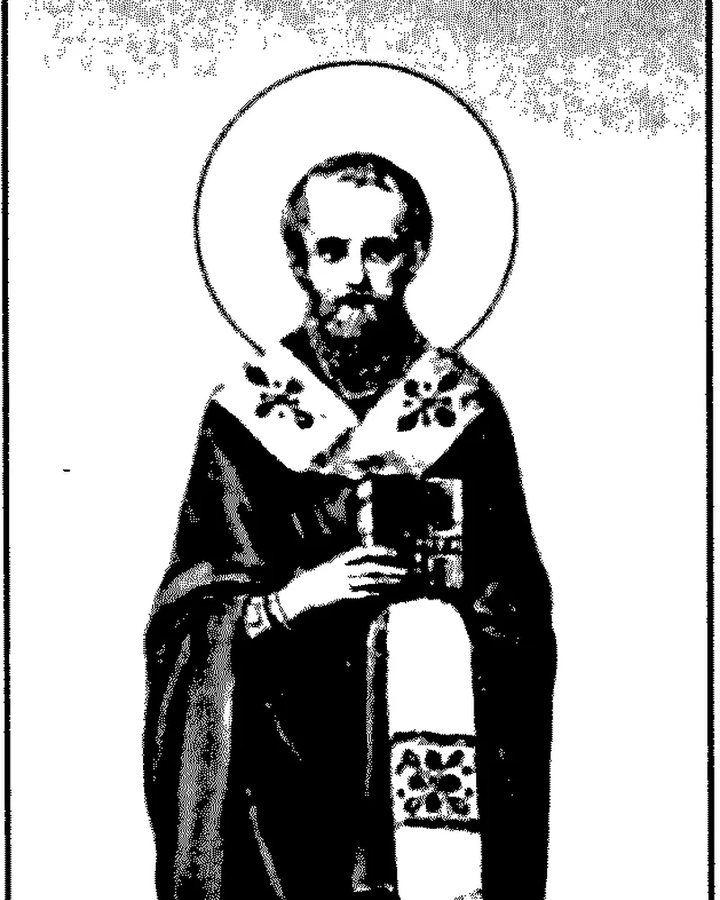 Tychon of AmathusSaint · 350–403Tychon of Amathus was a bishop serving the community of Amathus on the island of Cyprus during the late 4th and early 5th centuries. As a prominent religious leader of his era, he is recognized as a saint within both the Catholic and Orthodox traditions. His life and deeds were recorded in a biography composed by John the Merciful, the Patriarch of Alexandria, who shared the same birthplace as the bishop.
- JJoseph of Vatopedi1921–2009Joseph of Vatopedi was an Orthodox Christian monk and spiritual elder who lived from 1921 to 2009. Born in the Paphos District of Cyprus, he eventually settled on Mount Athos, where he spent much of his monastic life. He was a prominent disciple of Joseph the Hesychast and later served as a spiritual guide to many others, including the current abbot of Vatopedi. He is recognized as a saint and is remembered for his significant role within the monastic community of Vatopedi Monastery.
- SSaint Philon of Carpasia400–450Philon of Carpasia was a 5th-century bishop who served the church in Cyprus. He is recognized as the first historically documented bishop of the Carpasia diocese, located on a peninsula near modern Rizokarpaso. Serving as an assistant to Epiphanius of Cyprus, Philon was noted for his skills as an orator and a preacher. His theological contributions include written commentaries on the Pentateuch and the Song of Solomon, the latter of which was later utilized by Procopius of Gaza.
 TriphylliusWonderworker · 301–370Triphyllius was a fourth-century bishop born in Constantinople who served as the first bishop of Nicosia. After studying law in Beirut, he embraced Christianity and became a prominent figure in the early Church. He was a devoted follower of Saint Spyridon of Trimythous and a staunch defender of Saint Athanasius of Alexandria during the conflicts with the Arians. Because of his firm stance against Arianism, he faced periods of persecution.
- TTheodotus of CyreniaSaint · †315Theodotus of Cyrenia was an early 4th-century bishop serving the community of Cyrenia on the island of Cyprus. Known for his deep devotion and zeal, he successfully converted many pagans to Christianity during his ministry. His leadership led to his election as bishop, but his faith eventually brought him into conflict with the Roman authorities during the reign of Emperor Licinius.
- TTherissosTherissos was a priest and the third Bishop of Karpasia. Following his tenure in this ecclesiastical role, he chose to resign his position to pursue a life of solitude. He lived as a hermit in a cave located along the northern coast of Cyprus, specifically near the villages of Agia Triada and Yialousa. Known as the Recluse, he is remembered for his ascetic lifestyle and his transition from leadership to monastic seclusion.
 AuxibiusSaintAuxibius was a Roman-born bishop who served the community of Soli on the island of Cyprus. Born into a wealthy family, he fled Rome to avoid marriage and eventually settled near Limnitis. It was there that he encountered the evangelist Mark, who converted and baptized him. Following this encounter, he was appointed as the first bishop of Soli by Archbishop Herakleidios, a position he held for approximately five decades until his death around the year 102.
 Saint TheraponSaintSaint Therapon was a hieromartyr who lived during the 7th or early 8th century. After serving as a missionary throughout Asia Minor, he eventually became the bishop of Cyprus. Tradition holds that he suffered martyrdom at the hands of invaders led by Agarinus. He is remembered for performing various miracles, most notably raising the son of a Jewish woman back to life.
- DDemetrianus of ChytriSaint · 830–950Demetrianus of Chytri was a 9th-century bishop from Cyprus who served the Christian community in Chytri. Born in the village of Sykes to a priest, he initially entered monastic life before being ordained as a priest by Bishop Eustathios. He eventually succeeded his predecessor to hold the episcopal throne. He lived through the middle of the 9th century and passed away in Cyprus during his later years.
- AArcadius of CyprusArcadius of Cyprus was a fourth-century Christian bishop and martyr who focused his life on missionary activities. He worked extensively to spread his faith on the island of Cyprus. Following the martyrdom of his disciples, Julian the Healer and Eubolus, during the reign of Julian the Apostate, Arcadius himself was executed for his beliefs. He is recognized as a saint within both the Catholic and Orthodox traditions.
 Sophronius of CyprusSaintSophronius of Cyprus was a 7th-century bishop who served the church in Cyprus. Following the leadership of Damiano, he held the episcopal seat and is recognized as a saint within both the Catholic and Orthodox traditions. He is remembered for his compassionate character, specifically for his dedication to protecting vulnerable members of society, including orphans, widows, and the impoverished.
- PPlutarchPlutarch was a Christian minister who served as the Archbishop of Cyprus during the early 7th century, specifically around the years 620 to 625. Historical records, such as the Chronicle of Leontios Machairas, include him among the saints of the Church of Cyprus. While some sources identify him as the sixth bishop of the region, more recent scholarly investigations place him as the sixteenth in the succession of Cypriot bishops.
- DDemetrian†260Demetrian was a medieval monk and bishop from Cyprus who served the Christian Church during the 9th and 10th centuries. Born in the village of Sika to a priest, he entered monastic life following the death of his wife. After leading a monastery for forty years, he eventually accepted the role of bishop for the ancient city of Chytri. He is primarily remembered for his efforts to free local Christians from captivity during Saracen invasions.
- AArcade d'ArsinoéSaintArcade d'Arsinoé was a third-century bishop who served the community of Arsinoé on the island of Cyprus. Recognized for his religious leadership during this period, he is honored as a saint within both the Catholic and Orthodox traditions. His memory is preserved in the liturgical calendars of these churches, where his feast day is observed annually on August 29.
- DDiomedes the YoungerSaint · †400Diomedes the Younger was a Christian living in Cyprus during the 4th century. Born in Leucopolis, he was reportedly educated by Bishop Saint Tryphyllus. He is primarily remembered for his legendary role in protecting his homeland during a period of conflict. According to tradition, he successfully intervened during an invasion to prevent further violence and protect the local population.
- JJohn KalliergusSaintJohn Kalliergus was an Eastern Orthodox bishop of Paphos who lived in Cyprus during the first half of the 12th century. Born in the settlement of Malounta, he earned the epithet Kalliergus, meaning a person who performs good works, because of his extensive charitable activities. He provided aid to the poor, widows, orphans, and large families, while also supporting the needs of the Church. His dedication to his community and his charitable nature led to his eventual recognition as a saint.
- SSawinSawin was an Eastern Orthodox bishop who lived during the transition between the 4th and 5th centuries. Born in the Phoenician city of Lycia, he sought out the ascetic monk Epiphanius of Cyprus to begin his spiritual journey. After spending five years training under his mentor in the desert, Sawin eventually succeeded Epiphanius as the leader of the Cypriot church. He was known for his dedication to protecting the church from heretical teachings during his tenure as bishop.
- MMiklos†1200Miklos was an Orthodox saint who lived during the late 12th or early 13th century. After traveling to Germany as a young man, he joined a group of Greek followers during the Second Crusade. Following the movement's dissolution, he and several companions sought an ascetic life in the Jordan wilderness. Due to local persecution, they eventually fled to Cyprus by sea. He settled in Akanthou, where he practiced spiritual discipline within two caves, eventually dying there around the year 1200.
- MMnasona, KiprskSaintMnasona of Cyprus was a Christian hieromartyr who served as the Bishop of Cyprus. Recognized as a saint within the Orthodox tradition, he is honored for his religious leadership and ultimate sacrifice. His memory is preserved through liturgical commemorations in the Eastern Christian churches, where he is celebrated as a significant figure of the early faith.